The collection of the Anatomical Museum
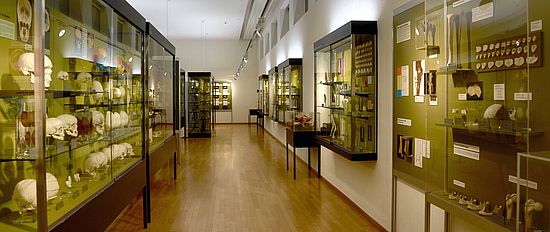
The Anatomical Museum of the University of Basel was founded by Prof. Carl Gustav Jung in 1824. The Basel Anatomical Museum mainly presents original specimens of human body parts, organs and tissues, which are arranged systematically and topographically and illustrate the structure of the body. The prenatal development of the human body is also on display. Special exhibitions explain particular areas of anatomy in an understandable way.
In addition to modern exhibits, the museum has a large number of historically valuable specimens that have been restored using modern methods and are now on display. Of particular importance is a skeleton prepared by Andreas Vesal in Basel in 1543 (the oldest anatomical specimen in the world) and a skeleton made by Felix Platter in 1573. Valuable wax models from the time of C. G. Jung around 1850 are on display, and sectional preparations made by Hanson Kelly Corning in 1900 are preserved.
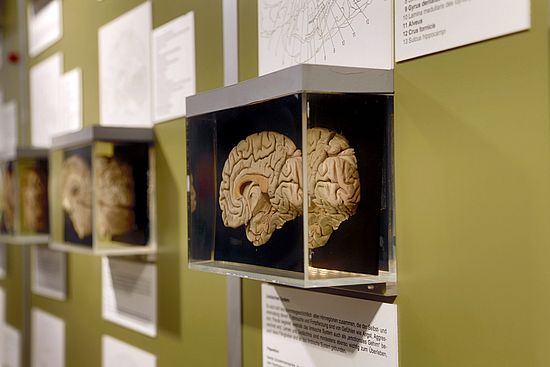
Limbic system
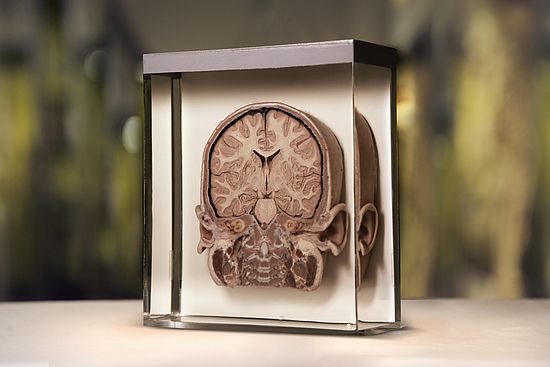
Frontal section of the head
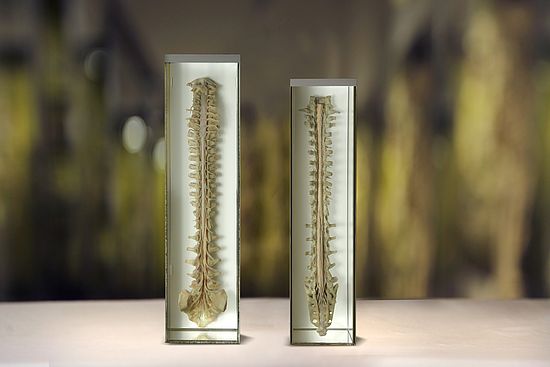
Spinal cord
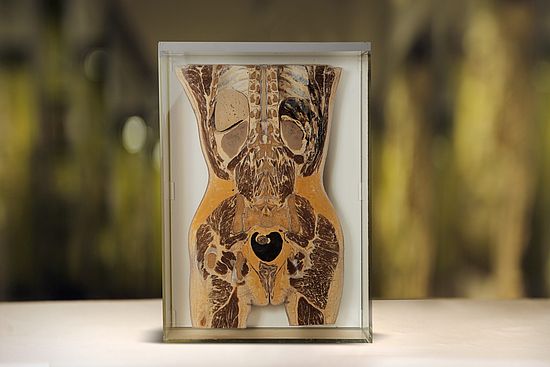
Frontal section of the fuselage
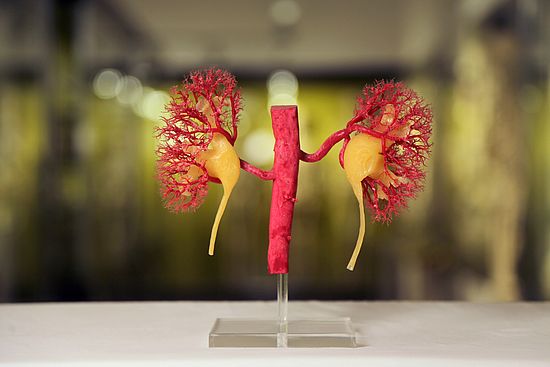
Renal pelvis
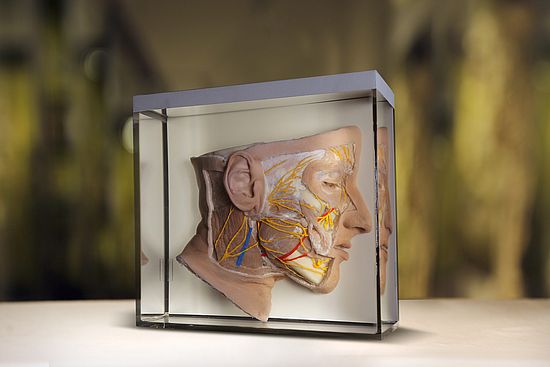
Arteries and nerves of the face
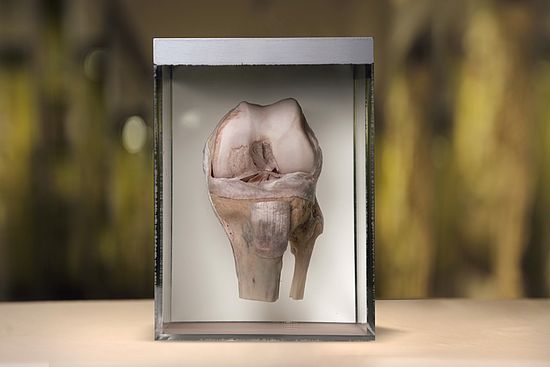
Left knee joint
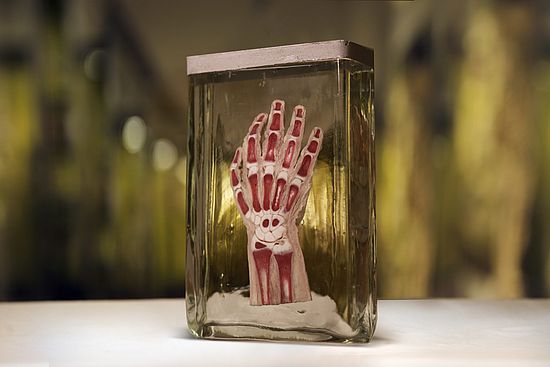
Hand
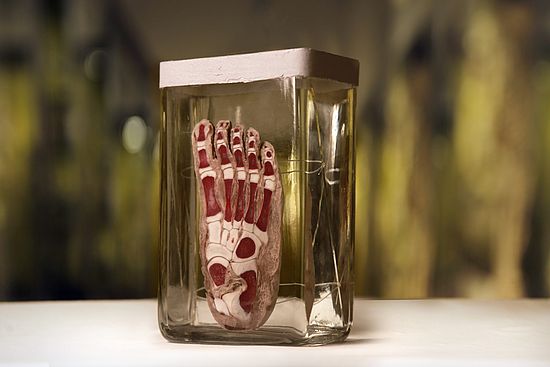
Foot
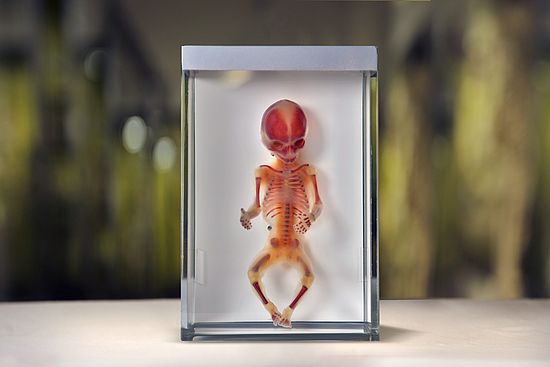
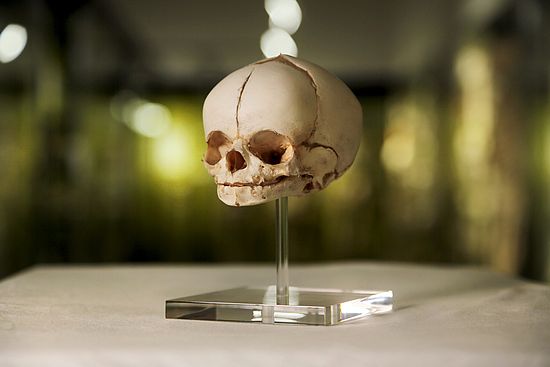
Fetus
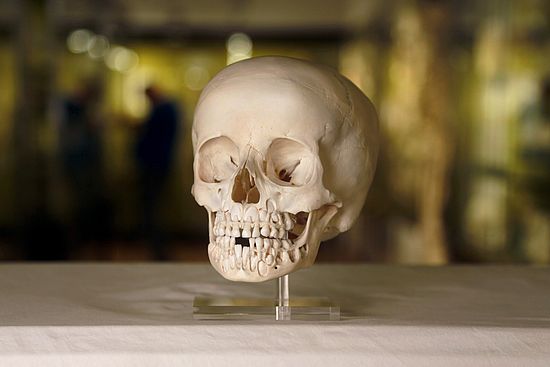
Change of teeth